Private Tours in Kabul: Eight Questions to Ask Your Guide Each Morning
By Tour.af
A private tour in Kabul has one great advantage over a group trip: the day can change around you. The disadvantage is the same thing seen from the other side. If nobody asks the right questions over breakfast, a flexible day can drift. The most useful habit on a private Kabul week is a short conversation with your guide each morning before the car leaves.
This is a practical list of what to ask, built from the way Tour.af describes its own Kabul days. It applies to any private itinerary in the capital, and particularly to a private Kabul week with Tour.af, which runs on your dates from $1,599 per person, stays in and around Kabul, and does not include Bamiyan.
1. “What is actually open today?”
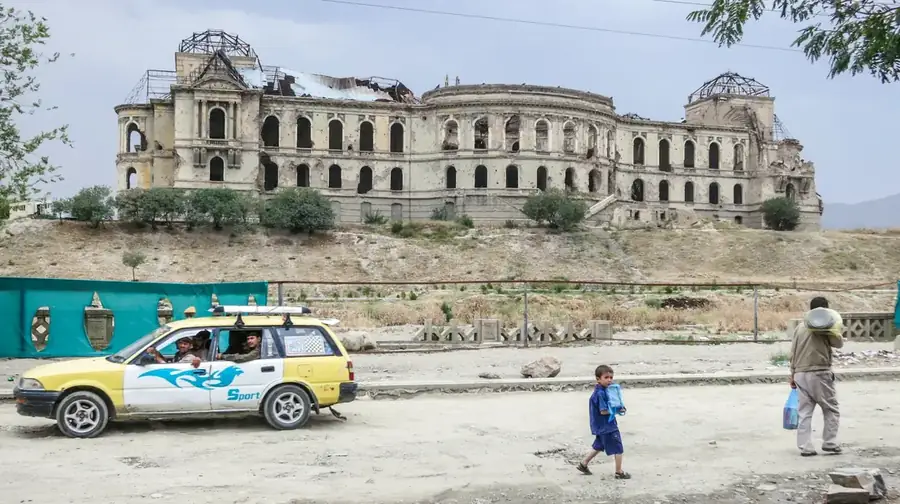
Kabul’s best-known places, the National Museum, Darul Aman Palace, Bagh-e Babur, the old citadel of Bala Hissar, are the backbone of a first visit. Opening hours, restoration work and access vary. Tour.af‘s Kabul guide puts it plainly: a site that was open last month may be limited this week. Darul Aman, for example, is often a stop for the exterior and the setting rather than the interior, unless entry has been confirmed. Bala Hissar has had restricted access at times.
Asking first saves you crossing town for a closed door. If the plan changes, it should change before you leave the hotel, not at a barrier.
2. “Is the permit in the car?”
Tourist travel in Afghanistan is guided, and a travel permit names the provinces on your itinerary. Even on a city week the paper is part of the trip. Tour.af‘s guide advises keeping the permit in the car, not in a hotel safe, and carrying a colour print of your e-visa with your passport. At checkpoints the questions are about who you are, where you are going and whether the permit matches the car; your guide handles those conversations in Dari or Pashto.
3. “Are we in the city or out in the valley?”
A private Kabul week is built so that you go out in the morning and return the same night. Tour.af‘s published Kabul week mixes city days with trips into the surrounding valleys and hills:
- Istalif, a village in the Shomali plains known for turquoise-glazed pottery, with views towards the Hindu Kush.
- Paghman, a weekend retreat for Kabul residents, with its gardens and the monumental arch.
- The Salang Pass in the Hindu Kush, and the story of the Salang Tunnel built in the 1960s.
- Qargha Lake, a popular recreational spot near the city, for a slower day.
Day trips depend on the permit and the road. Ask in the morning which one is on, and what the fallback is.
4. “Where can I take photographs?”
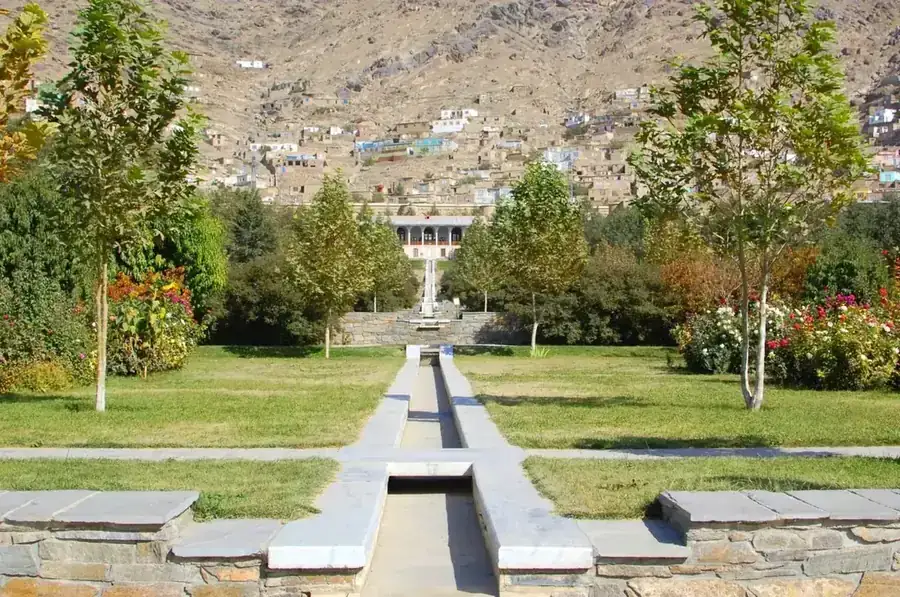
Photography is fine in many public places and unwelcome in others. Ask before photographing people, checkpoints or government buildings. Mosques and shrines vary: some welcome respectful visitors at certain hours, others are best seen from outside. A guide who knows your interest in photography will plan the light differently; Tour.af‘s Kabul guide notes that many visitors go to Bagh-e Babur in the morning or late afternoon, when the light is kinder and the gardens are quieter.
5. “Which market, and what is it like right now?”
Kabul has two kinds of shopping. Chicken Street in Shahr-e Naw is the old traveller’s street for crafts, coats, jewellery and souvenirs, compact and familiar to guides; prices are negotiated. The Mandawi area and the older wholesale markets by the river are working markets: food, fabric, household goods and a lot of movement. Ask which suits the day. If an area is very busy, there are quieter alternatives.
6. “Where are we eating, and what’s in it?”
Meals are usually in hotels or restaurants your operator already uses. Kabuli pulao is the dish most visitors look for first, alongside kebab, mantu, ashak, fresh bread, yogurt and tea. On Tour.af‘s Kabul week, lunches and additional dinners are not included in the price, so it helps to know where lunch will be and roughly what to carry. Mention dietary limits at the start of the week, not at the table.
7. “How much cash will I need today?”
Cards rarely work once you leave the airport. Travellers bring US dollars and some afghanis for small official fees and personal spending. Entry fees for the sites on the published itinerary are included on the Kabul week, but shopping, tips and lunches are not. A quick morning check avoids an awkward moment at a counter.
8. “What should I wear?”
Dress modestly. Kabul sits in a high valley, and evenings can be much cooler than midday, especially in spring and autumn. A day in Istalif or at the Salang Pass can feel very different from an afternoon in the city. Ask whether the day includes a mosque or shrine visit, and plan layers accordingly.
Why the morning conversation works
On a private tour, the itinerary is a set of options rather than a fixed script. The guide’s job is not only commentary; it is matching the day to what is open, what the permit allows and what you want. Eight short questions over tea let them do that well. They also tend to start the best conversations of the trip: about the city, the history and the people you are about to meet.
For the full list of what is included and excluded on the week, see the tour page linked above. For the wider planning picture, visa, flights, packing and season, see Tour.af‘s Travel to Afghanistan guide.
Tour.af, Ahmad Shah Baba Mena, Kabul 1012, Afghanistan. +93 70 521 4101. WhatsApp · tour.af
Written with AI assistance and reviewed by Tour.af against its published Kabul tour page and Kabul travel guide.